Commercial Laminate Flooring vs. Traditional Hardwood
People searching for commercial laminate flooring or hardwood installation are often looking to upgrade or replace their floors, and local service providers can help them choose and install the best option for their space.
Choosing between commercial laminate flooring and traditional hardwood is a common consideration for property owners looking to enhance their spaces. Whether updating a retail store, office, or other commercial property, understanding the practical differences can help inform a smart decision. Local contractors who specialize in flooring installation can provide insights into durability, maintenance, and aesthetic options, ensuring that the chosen flooring complements the specific needs of the space. As you explore this topic, keep in mind that professional installation can make a significant difference in the longevity and appearance of either flooring type.
Property owners in the area often weigh factors like cost-effectiveness, resilience, and style when comparing commercial laminate flooring vs. traditional hardwood. Local service providers are equipped to help evaluate these considerations based on the environment and usage of the space. They can assist in matching the right flooring solution with the practical demands of the property, making it easier to achieve a lasting, attractive result. Continue reading to discover more about the benefits of each option and how experienced local contractors can support the installation process.
Get Quotes for Commercial Laminate Flooring Or Hardwood Installation
- Commercial laminate flooring vs. traditional hardwood - Business owners considering durable, cost-effective flooring options often seek local contractors skilled in installing both types to compare longevity and maintenance needs.
- Commercial laminate flooring vs. traditional hardwood - Property managers upgrading high-traffic commercial spaces might contact local service providers to evaluate installation techniques suitable for each flooring type.
- Commercial laminate flooring vs. traditional hardwood - Retailers or office owners exploring aesthetic appeal alongside practicality often reach out to local pros for expert advice on installation and material differences.
- Commercial laminate flooring vs. traditional hardwood - Architects planning commercial interiors may look for local contractors experienced in handling the specific subfloor preparations required for laminate versus hardwood.
- Commercial laminate flooring vs. traditional hardwood - Facility managers seeking quick installation with minimal disruption often consult local service providers familiar with the installation processes for both flooring options.
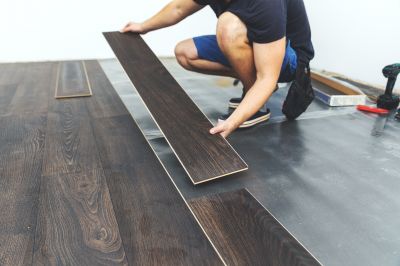
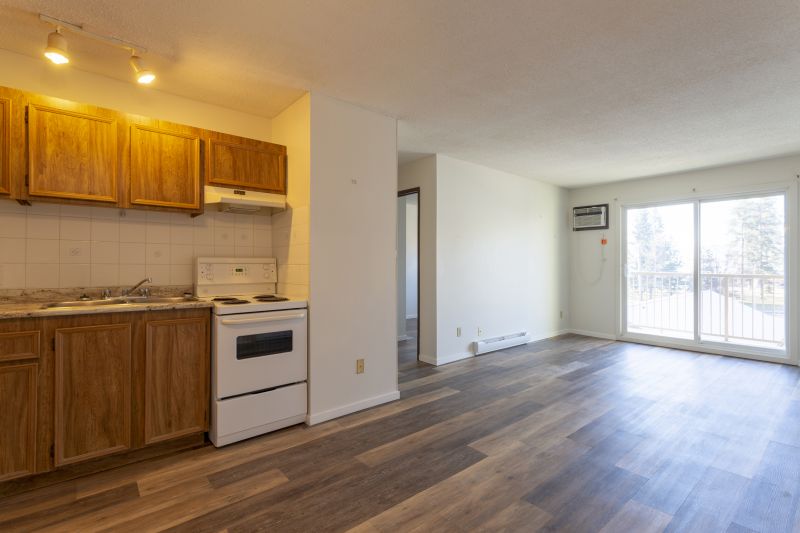
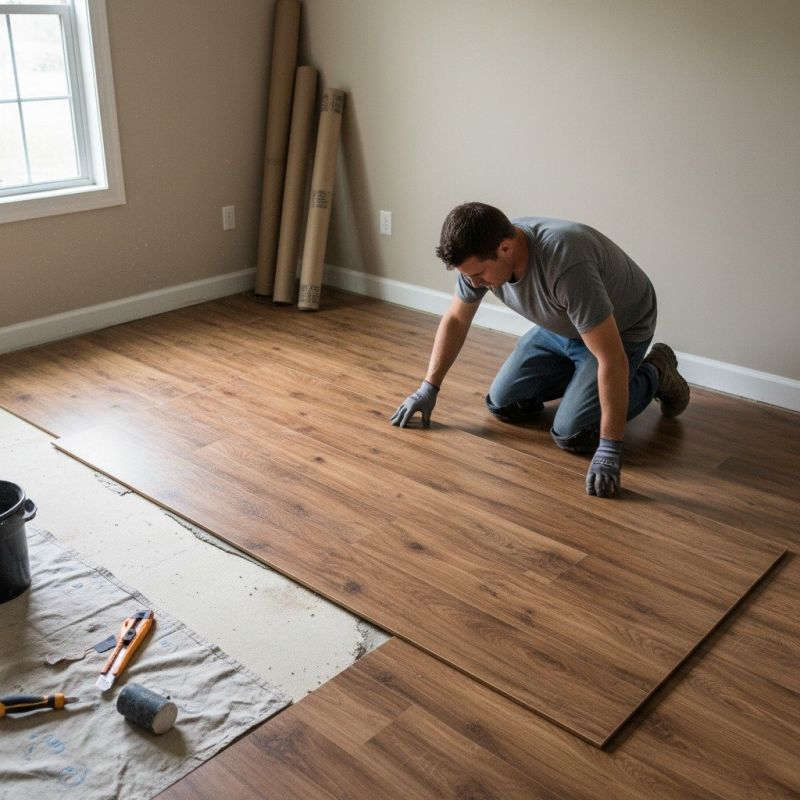
When exploring the differences between commercial laminate flooring and traditional hardwood, many people are trying to determine which material best suits their specific property and project needs. Homeowners often search for this topic when planning renovations or new installations for spaces such as retail stores, offices, or residential areas where durability, appearance, and maintenance are important considerations. These searches are typically driven by questions about how each flooring type holds up under foot traffic, ease of installation, and long-term upkeep. Understanding what each option offers helps property owners make informed decisions aligned with their goals, whether that means prioritizing cost-effectiveness, aesthetic appeal, or longevity.
The decision between commercial laminate flooring and traditional hardwood often relates to a variety of property-related concerns. For instance, those managing busy commercial spaces may be interested in flooring that resists scratches, dents, and moisture, making commercial laminate flooring an attractive choice. Conversely, homeowners seeking a warm, elegant look might lean toward traditional hardwood for its natural beauty and timeless appeal. These topics are also connected to plans for remodeling or upgrading, where factors like budget, installation complexity, and future maintenance come into play. The type of property-whether a retail shop, office, or residential home-directly influences which flooring option is more suitable and how local service providers can assist in achieving the desired result.
Properties that commonly feature these flooring options include retail locations, office buildings, restaurants, and residential homes. Commercial laminate flooring is often chosen for spaces with high foot traffic because of its durability and resistance to wear. It is also favored in environments where moisture resistance is necessary, such as kitchens or basements. Traditional hardwood, on the other hand, is popular in homes and boutique commercial settings where aesthetics and a natural look are prioritized. Local contractors who specialize in flooring installation can evaluate the specific needs of each property type and recommend the best materials and methods to ensure a successful project. They can also handle the installation process, ensuring that the chosen flooring meets the expectations for style and performance.
Understanding the practical implications of choosing between commercial laminate flooring and traditional hardwood helps property owners plan their projects more effectively. The decision impacts not just the initial appearance but also the ongoing maintenance and durability of the flooring. Local service providers who focus on flooring installation can provide valuable guidance tailored to each property’s unique requirements, whether that involves selecting the right product, preparing the space, or ensuring a quality installation. By connecting with experienced professionals, property owners can better navigate the options available and find solutions that align with their plans, budget, and long-term vision for their space.
Flooring Removal and Preparation - professionals experienced in removing existing flooring and preparing subfloors are essential for both laminate and hardwood installations to ensure a smooth finish.
Subfloor Assessment and Repair - assessing and repairing subfloor conditions is a key step that affects the durability and appearance of both commercial laminate flooring vs. traditional hardwood projects.
Underlayment Installation - installing proper underlayment is crucial for laminate flooring to provide stability and sound insulation, similar to practices in hardwood subfloor preparation.
Measuring and Layout Planning - precise measurements and layout planning are vital for efficient installation and minimizing waste in projects involving laminate or hardwood flooring.
Trim and Transition Strip Fitting - finishing touches like trim and transition strips are common in both laminate and hardwood installations to ensure a seamless look.
Site Cleanup and Final Inspection - thorough cleanup and inspection by local contractors help confirm the quality of flooring projects, whether installing laminate or hardwood surfaces.
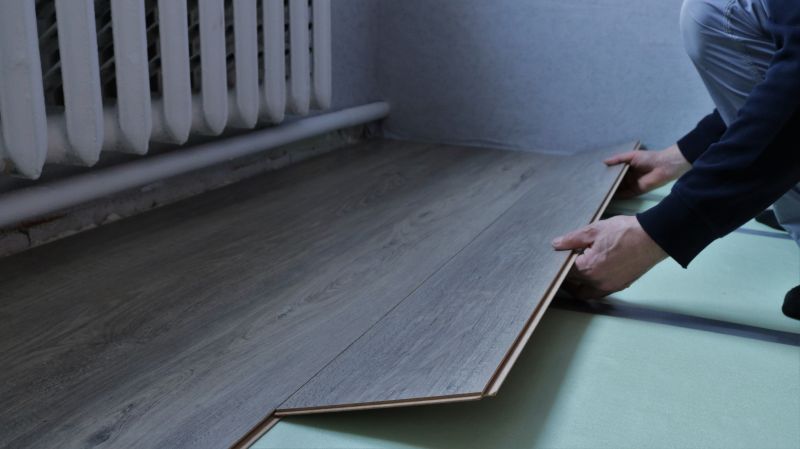
When comparing service providers for commercial laminate flooring versus traditional hardwood installation, it’s important to evaluate their experience with similar projects. Homeowners should inquire about the types of flooring projects the contractors have handled in the past, specifically those involving commercial-grade laminate or hardwood materials. A contractor’s familiarity with the specific challenges and installation requirements of each flooring type can influence the quality and durability of the finished work. Service providers with a history of completing comparable projects are more likely to understand the nuances involved, whether it’s dealing with subfloor preparation, material handling, or layout considerations.
Clear, written expectations are essential when choosing a contractor for flooring installation. Homeowners should seek detailed proposals that outline the scope of work, materials to be used, and the installation process. This documentation helps ensure that both parties share a common understanding of the project’s parameters, reducing the potential for misunderstandings or surprises later on. Service providers who communicate their process and expectations transparently demonstrate professionalism and a commitment to customer satisfaction, making it easier to compare options and select a contractor who aligns with specific project needs.
Reputable references and good communication are key indicators of a reliable flooring contractor. Homeowners are encouraged to ask for references from previous clients who had similar flooring projects completed, especially those involving commercial laminate or hardwood. Speaking with past customers can provide insights into the contractor’s workmanship, reliability, and responsiveness. Additionally, service providers who maintain open lines of communication throughout the project-promptly answering questions, providing updates, and addressing concerns-are more likely to deliver a smooth installation experience. These qualities help ensure the chosen contractor can meet expectations and facilitate a successful flooring upgrade.
Get a Quote for Commercial Laminate Flooring Or Hardwood Installation
Property owners often search for commercial laminate flooring vs. traditional hardwood when they are planning practical projects around their homes and businesses. Local pros provide Commercial Laminate Flooring or Hardwood Installation services for everyday jobs and straightforward project options.
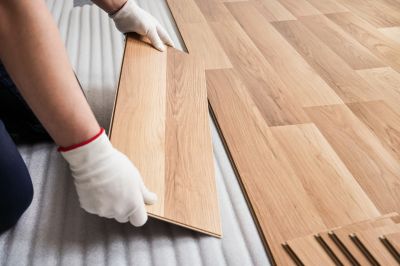

Homeowners considering new flooring often compare commercial laminate flooring vs. traditional hardwood to determine the best option for their space. For busy commercial environments or high-traffic areas in local properties, many property owners look into laminate flooring because of its durability and resistance to scratches and dents. On the other hand, those seeking a timeless, natural look for residential spaces may lean toward hardwood installation services, valuing its classic aesthetic and potential for refinishing over time. Local contractors can help evaluate the specific needs of each project, offering guidance on which flooring type aligns with the space's usage and style preferences.
Property owners planning renovations or new installations often turn to local service providers to handle the job efficiently. Whether choosing commercial laminate flooring for its affordability and ease of maintenance or opting for traditional hardwood for its warmth and elegance, experienced local contractors can provide expert installation tailored to the environment. They can also advise on the best materials and methods to ensure the flooring performs well in everyday situations, helping property owners make informed decisions that match their lifestyle and property requirements.
Get a Quote for Commercial Laminate Flooring Or Hardwood Installation
What are the durability differences between commercial laminate flooring and traditional hardwood? Commercial laminate flooring typically offers higher resistance to scratches, dents, and moisture compared to traditional hardwood, making it suitable for high-traffic areas. Local contractors can help assess which option best withstands daily wear in different commercial settings.
How does installation complexity compare between commercial laminate flooring and hardwood? Installing commercial laminate flooring is generally quicker and less labor-intensive than traditional hardwood, which may require more precise preparation and finishing. Service providers can advise on the best installation approach for each flooring type.
Are there differences in maintenance requirements for commercial laminate flooring versus hardwood? Commercial laminate flooring usually requires less maintenance, such as avoiding refinishing, while hardwood may need periodic sanding and sealing. Local flooring pros can recommend maintenance routines tailored to each material.
Which flooring type offers more design flexibility for commercial spaces? Hardwood provides a wider range of colors, grains, and finishes, allowing for more customization. Service providers can help select the best option to match the desired aesthetic and functional needs.
Can commercial laminate flooring be installed over existing flooring? Yes, commercial laminate flooring can often be installed over certain existing surfaces, reducing preparation time. Local contractors can evaluate existing floors and determine the best installation method for each project.
Durability considerations - Property owners can evaluate how commercial laminate flooring or traditional hardwood withstands high foot traffic in busy areas by consulting local contractors.
Installation options - Deciding between floating or glued-down installation methods helps property owners choose the best approach for their space with guidance from local service providers.
Design versatility - Exploring the wide range of styles, colors, and finishes available can assist owners in selecting flooring that complements their interior design goals, with advice from local pros.
Maintenance needs - Understanding cleaning routines and upkeep requirements for each flooring type enables property owners to plan for long-term care, supported by local installation experts.
If you are thinking about commercial laminate flooring vs. traditional hardwood for a property, this guide is meant to help you understand this topic, the typical project types, and how different options might fit your plans.
When you are ready, you can use the quote form on this page to share a few details about your project. From there, local pros can review the basics and follow up with options that match what you have in mind.
Get a Quote for Commercial Laminate Flooring Or Hardwood Installation